
Categories
Financing, Home BuyingPublished July 26, 2025
How to Apply for a Mortgage in 7 Steps

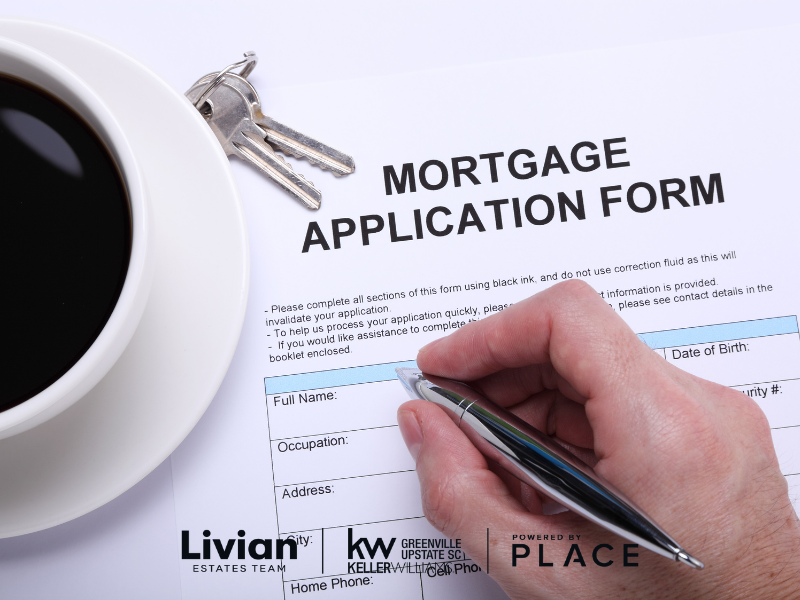
Buying a home is exciting, but figuring out the mortgage loan process can feel overwhelming, especially if it’s your first time. The good news? It’s not as complicated as it seems when you break it down into steps. Understanding what to expect can help you feel more confident and make better decisions along the way.
Here’s a beginner-friendly look at how to apply for a mortgage, what each step involves, and how to make it all go smoothly.
1️⃣ Start by Checking Your Credit
Lenders want to know if you’re financially stable. Your credit score, income, debts, and savings help them decide if you qualify and what interest rate you’ll get. Don’t open new credit cards or take on new debt right before applying; it can hurt your chances.
Most lenders want a credit score of at least 620. FHA loans may allow lower scores, but higher scores often mean better rates.
2️⃣ Know What You Can Afford
Before looking at homes, figure out your budget. A mortgage calculator helps, but talking to a lender gives you a clearer picture. Your payment includes more than just the loan; you’ll also pay taxes, insurance, and maybe HOA fees.
A good rule: Keep your monthly housing cost under 28% of your gross income. This keeps your budget in check and avoids future stress.
3️⃣ Get Pre-Approved
A pre-approval letter shows sellers you’re ready to buy. It means a lender has reviewed your documents and agreed to lend you a certain amount. This makes your offer stronger in a competitive market.
To speed things up, have your income info, tax returns, and debts ready. Just know this is more than a guess—unlike pre-qualification, which is based on self-reported info.
4️⃣ Pick the Right Loan Type
There’s more than one kind of mortgage loan. You might qualify for:
-
Conventional loans (most common)
-
FHA loans (lower down payment, helpful for first-time buyers)
-
VA loans (for veterans or active-duty military)
-
USDA loans (for homes in rural areas)
Each one has pros and cons. Your lender can walk you through your options and help you choose the best fit. If you’re buying for the first time, FHA loans are common, but you may do better with a conventional loan if your credit is strong.
5️⃣ Fill Out a Full Application
Now it’s time to apply. This means submitting your paperwork: bank statements, pay stubs, W-2s, and ID. The faster you turn these in, the quicker things move.
The full process usually takes 30 to 45 days. Stay on top of document requests to avoid delays.
6️⃣ Wait for Underwriting
This is the lender’s review process. An underwriter checks your finances and the home’s appraisal to make sure it’s all solid.
Try not to make big changes during this time. Don’t switch jobs, move money around, or make large purchases; it could raise red flags and delay or even deny your loan. Even with pre-approval, your loan can still be denied if your finances change.
7️⃣ Close on Your Home
Once everything checks out, you’re ready to close. On closing day, you’ll sign the final paperwork and pay closing costs. Then you get the keys.
Closing costs usually fall between 2% and 5% of the purchase price. Your lender will give you the full amount ahead of time, so there are no surprises. Review your documents early so you’re clear on the numbers.
You’re Ready
Getting a mortgage doesn’t have to be overwhelming. When you understand the steps and work with the right team, you’ll feel more prepared and less stressed.
Ask questions when you’re unsure. The more you know, the smoother things go.

J. Michael Manley
Team Owner | Livian Estates Team | Keller Williams Greenville Upstate | PLACE
or another way