
Categories
Home BuyingPublished August 17, 2025
Older Homes vs. New Builds: Which is Right for You?

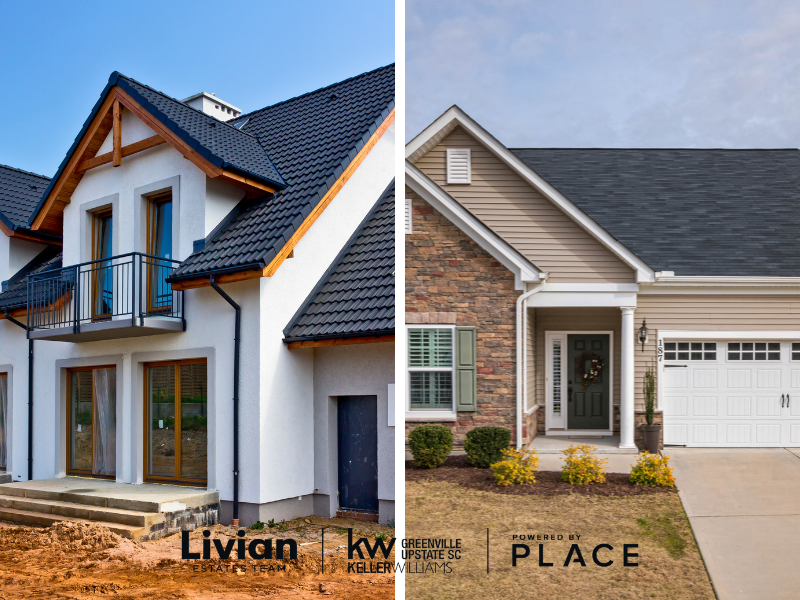
When buying a house, one of the first choices you face is between an older home and a new build. Both have trade-offs. Your decision depends on budget, lifestyle, and future plans. Let’s walk through the key questions to help you decide.
Which Costs More Upfront?
Older homes often list at a lower price, especially if updates are needed. You might get more square footage or a bigger lot for your money, but renovation costs can add up quickly. A larger yard and established neighborhood may come with an outdated kitchen that needs a remodel.
New builds usually come at a higher price because everything is brand new. Modern layouts, updated finishes, and energy-efficient systems are included. While you’ll likely pay more upfront, you’ll avoid major repairs for a while.
What About Ongoing Maintenance?
Older homes can require more upkeep. Systems like plumbing or HVAC may be nearing replacement. Some older houses hold up well because of durable materials, but ongoing maintenance is something to budget for.
New builds need less attention in the early years. Warranties often cover major components, and newer appliances mean fewer surprises. Still, remember that when items age together, larger repair bills can show up later.
Which Offers More Character and Style?
Older homes stand out with original details, hardwood floors, and mature landscaping. Each one feels unique, and that individuality attracts many buyers.
New builds focus on convenience. Open floor plans, walk-in closets, and smart features are common. While some neighborhoods feel uniform, buyers often prefer the clean look and modern amenities.
How Do Location and Community Differ?
Older homes are usually in established areas near schools, shops, and restaurants. You’ll often find bigger yards, mature trees, and long-standing neighbors who know each other well.
New builds are often in developing areas just outside the city. These communities may include pools, playgrounds, or trails. The trade-off is being farther from downtown and sometimes having smaller lot sizes.
Which is Better for Resale Value?
Older homes hold value well if they’re maintained and located in desirable neighborhoods. Updates can boost resale, but needed repairs may turn future buyers away.
New builds attract buyers looking for move-in ready properties. Resale may be tougher if there are many similar homes nearby. Choosing a growing area with steady demand can make the difference.
When weighing older homes against new builds, focus on what matters most to you. If you value character, bigger lots, and central locations, an older home may be the right choice. If you prefer modern layouts, warranties, and low maintenance, a new build might suit you better. The best decision is the one that fits your lifestyle and long-term goals.

J. Michael Manley
Team Owner | Livian Estates Team | Keller Williams Greenville Upstate | PLACE
or another way