
Categories
Home Buying, moving tipsPublished November 17, 2025
Thinking About a Rural Home? Here Are the Pros and Cons


Rural properties are usually associated with the great outdoors, an escape from metropolitan areas where everything is loud and fast-paced. But even if this is the most popular reason why people see rural homes as a perfect investment for retirement, some buyers get attracted to them without doing extensive research on these properties.
So if you’re thinking about trading city lights for starry nights. Moving to a rural area in the Upstate of South Carolina can be a pretty amazing adventure — but like anything big, it comes with its trade-offs. Let us walk you through what it's really like, plus some key things to watch out for.
What’s the Upstate, SC Like
First off, what exactly is “rural Upstate SC”? The Upstate region includes counties like Pickens, Oconee, Greenville, Spartanburg, and Cherokee, among others.
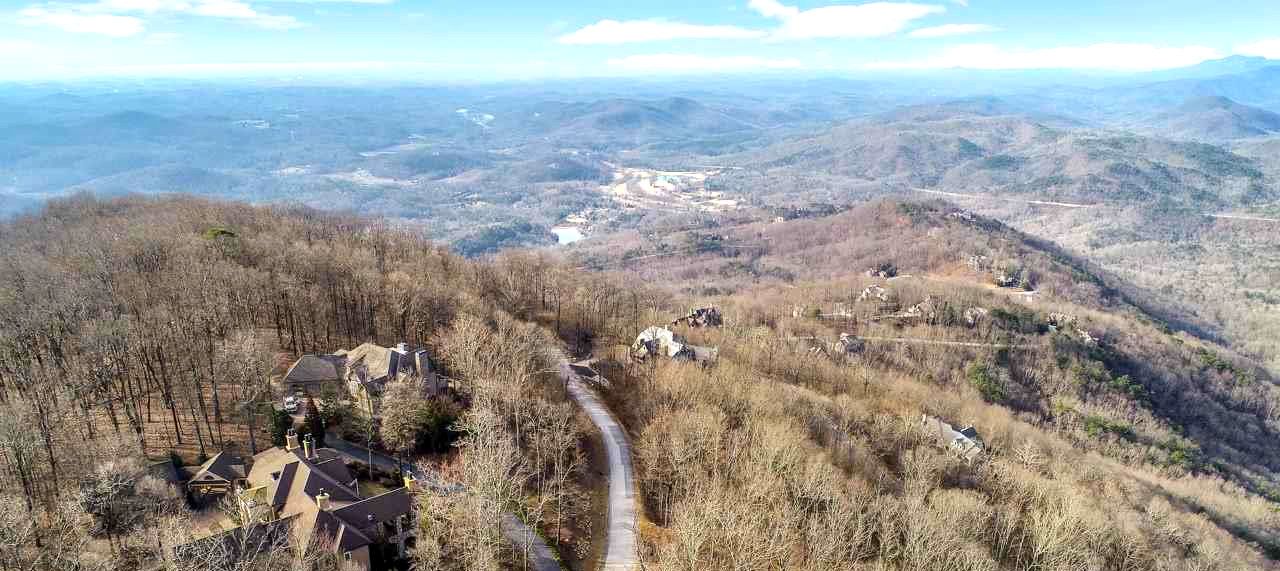
Some rural pockets are super scenic: think rolling hills, farmland, and forested roads. For example, Dacusville (near Greenville) has expansive pastures and a slower pace. Communities like Long Creek in Oconee County sit near the Chattooga River, offering secluded, natural living.
Places like Pelham (Sugar Tit) in Spartanburg County are mostly farmland. There are also tiny mountain towns, such as Tamassee, tucked into the Cherokee Foothills.
The Pros of Living in Rural Upstate, SC
Here are some of the biggest advantages, especially for rural life in this area:
-
Peace and Quiet
No constant traffic, fewer sirens, less rush. Life slows down, and you can actually hear the wind or birds. Studies note that rural SC offers more solitude, less crowding, and more connection with nature. -
Lower Cost of Living
South Carolina’s cost of living is generally below the national average. Housing in rural areas often is more affordable than in fast-growing cities. -
Strong Sense of Community
Smaller towns mean neighbors tend to know each other. Churches, local fairs, school events — these things help build real, personal connections. -
Close to Nature
Upstate SC offers gorgeous outdoor recreation: Blue Ridge foothills, lakes like Keowee, Jocassee, Hartwell. You could hike, fish, or just enjoy the greenery in your backyard. -
Potential for Homesteading
If you’re into gardening, raising a few animals, or living more self-reliantly, rural Upstate offers the space to do so. -
Slower Pace, Lower Stress
Many people moving here — especially retirees — say the relaxed pace is one of the biggest perks.
The Cons of Living in Rural Upstate, SC
Of course, living in the country is not all sunshine and mason jars. Here are some of the drawbacks:
-
Limited Public Transportation
In rural parts, you’ll likely need a car. Public transit is sparse or non-existent in many areas. -
Insect & Pest Issues
With nature comes bugs: mosquitoes, fire ants, even termites can be more of a problem in rural SC. -
Income Disparities / Job Opportunities
While the cost of living is lower, wage levels may also be lower, and high-paying jobs aren’t always nearby. -
Infrastructure Challenges
Rural roads, less frequent maintenance, and possibly slower internet or utilities in some areas. Also, some folks mention that development is happening, but infrastructure doesn’t always keep up. -
Climate & Weather
Summers in SC can be hot and humid. And while the Upstate doesn't face as many hurricanes as the coast, there are other weather considerations. -
Healthcare and Services
In very rural areas, access to hospitals, specialty clinics, or even quality schools might be more limited. -
Social Isolation
This is less about being alone and more about fewer entertainment options. Some people coming from big cities miss the variety of food, nightlife, or cultural events.
Tips if You’re Considering a Rural Move
-
Visit First: Spend a weekend in the exact rural area you’re eyeing. Drive the back roads, talk to locals, check commute times.
-
Check Utilities & Internet: Ask about broadband, cell reception, water sources (is it well or city water?), septic systems, and power reliability.
-
Budget for a Car: If you’re coming from a city with good public transit, you’ll likely need to rely heavily on a vehicle.
-
Prepare for Maintenance: Bigger lots mean more upkeep — mowing, fence repair, pest control.
-
Find the Right Community: Look into towns like Dacusville, Liberty, or Pumpkintown, which offer that rural feel but still some community structure.
-
Get Involved: Participate in local events, join community groups, volunteer. It's the fastest way to feel at home.
-
Know Your Exit Plan: Even if you're going for peace and quiet, make sure you’re not too remote for emergencies — or have a plan to get help if needed.
Frequently Asked Questions (FAQs)
Q: How far is rural Upstate SC from big cities?
A: It depends on where exactly you are, but many rural areas are within reasonable driving distance of Greenville or Spartanburg. For example, Dacusville is just outside of Greenville.
Q: Is land cheap in rural Upstate SC?
A: It’s more affordable than many metropolitan areas, especially when you're buying acreage or older homes. But “cheap” is relative — it depends on how rural, how big the lot is, and what utilities are available.
Q: How’s the school system?
A: Schools vary greatly. In rural counties, some school districts are strong, while others may have limited resources. It’s best to research specific county schools (e.g., in Pickens or Oconee).
Q: What about healthcare?
A: There are hospitals and clinics, but the closer you are to more remote areas, the more you may have to drive. For serious or specialized medical needs, plan for travel.
Q: Will I regret the summers?
A: Maybe. Southern summers are hot and humid. But many people say it’s worth it for the beauty of the seasons, the fall foliage, and the laid-back lifestyle.
Final Thoughts
Moving to a rural area in Upstate South Carolina can be a deeply rewarding decision if you value peace, nature, and a slower pace. But it’s not for everyone, you’ll want to be ready for some trade-offs, like limited services and the need for a road-worthy vehicle.
If you love large skies, star-filled nights, and the idea of building community in a place where people know their neighbors, rural Upstate SC might be exactly the kind of home you’re looking for.

J. Michael Manley
Team Owner | Livian Estates Team | Keller Williams Greenville Upstate | PLACE
or another way