
Categories
home seller tips, Home SellingPublished November 19, 2025
What Stays and What Goes When You Sell Your Home?


Selling your home is more than just packing up and handing over the keys. A big question: what things in your house are you expected to leave behind, and which can you take with you? Knowing this upfront can save you headaches (and awkward phone calls) later.
Why It Even Matters: Fixtures vs. Personal Stuff
First, a quick vocabulary check:
-
Fixtures = things that are attached to the house in some “permanent” way (bolted, nailed, wired, built-in).
-
Personal property = things you could pick up, move, and take with you more easily.
If something is a fixture, buyers usually expect it to stay. If it's more like your personal belongings, it's more likely to go — unless you agree otherwise in the sales contract.
What Usually Stays (That Buyers Expect)
Here are the items that typically stay in the house after you sell, because they’re considered part of the property:
-
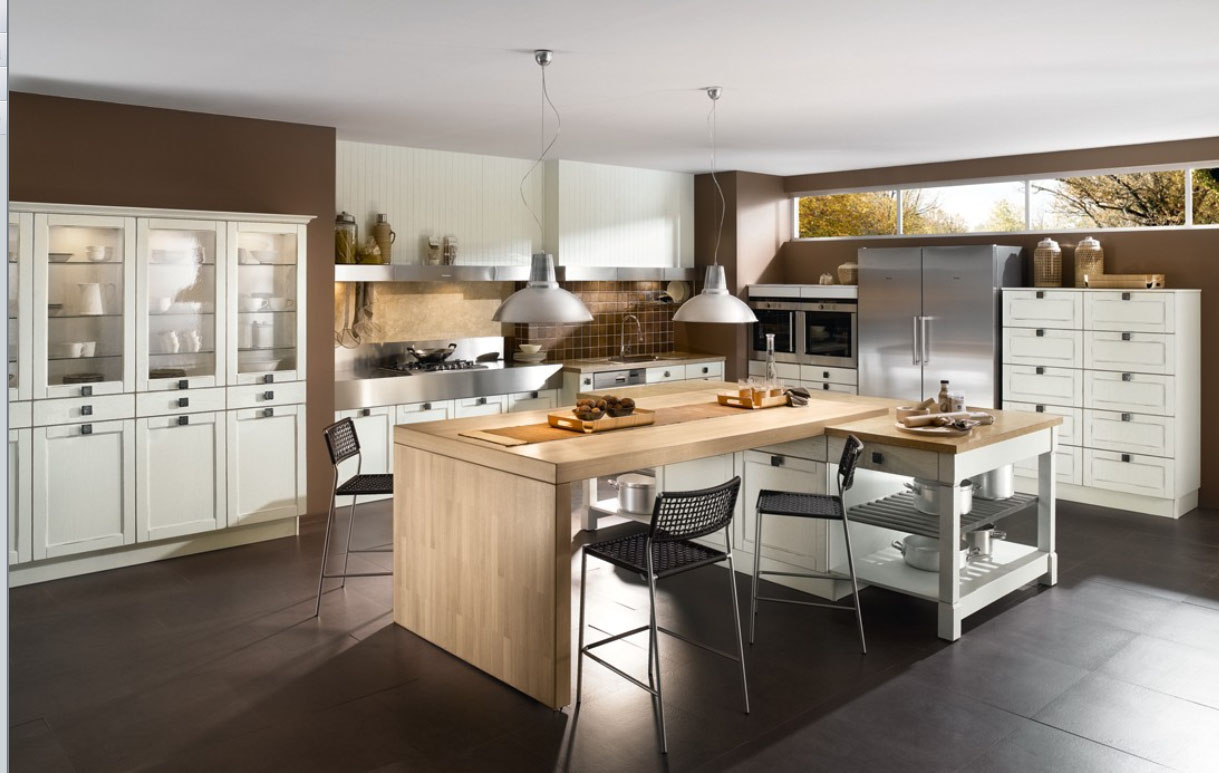
Built-in Appliances
Stuff like dishwashers, ovens, cooktops — the ones fixed into the kitchen — generally stay. -
Light Fixtures & Ceiling Fans
Chandeliers, ceiling lights, wall-mounted lamps — if they’re attached, they usually stay. -
Window Treatments (Sometimes)
Blinds, shades, or shutters that are mounted or built in often remain. But curtains or drapes? Those are more likely to go unless you agree otherwise. -
Cabinets, Built-In Shelves, and Storage
Kitchen cabinets, bathroom vanities, wall shelving — these are normally part of the home sale. -
Plumbing Fixtures
Things like faucets, sinks, toilets, and shower heads are generally included. -
Flooring / Carpeting
Wall-to-wall carpets or built-in / fixed flooring usually stay -
Landscaping, Trees, Fences, Outdoor Structures
Trees, shrubs, fences, built-in outdoor features like sheds or pergolas often convey with the property. -
Garage Door Openers & Security Systems
If your garage door opener is attached, or if you have a wired-in security system, those often stay.
What Usually Goes (Things You Can Take)
These are the items you’re more likely to move out when you sell, unless you explicitly agree to leave them:
-
Freestanding Appliances — like fridges, washers, dryers. These aren’t always part of the sale.
-
Furniture — Unless you make a deal to leave certain pieces, furniture is generally yours to take.
-
Decorative Items — Think paintings, free-standing mirrors, wall art (unless built-in).
-
Area Rugs — These usually go with you.
-
Portable Outdoor Items — Patio furniture, freestanding grills, etc., usually are not assumed to stay.
Gray Areas: When It’s Not So Clear
Some things fall into the “maybe” category, and these are often where misunderstandings happen. Here are a few:
-
TV Mounts / Wall-Mounted TVs: The mount might be considered a fixture (since it’s bolted to the wall), but whether the TV itself stays depends on the contract.
-
Smart Home Gadgets: Things like security cameras, smart thermostats — if they’re wired in or fixed, they may stay; but if they’re simply plugged in or mounted in a non-permanent way, it's negotiable.
-
Plants and Landscaping: Trees and planted shrubs typically stay. But potted plants? Those you might take with you — unless they’re very large or agreed to be left behind.
Why Clear Communication Is Key
Here’s a golden rule: everything you want to take or leave should be spelled out in the contract.
If you want to remove something that most people would expect to stay (say, a custom chandelier), talk to your real estate agent about how to do that — either by replacing it before showing, or writing in your exclusions.
A clear list in the sales agreement (or an “exclusions” list) helps prevent disputes later.
Tips for Sellers: Make Your Life Easier
-
Walk through your home with your agent before listing. Point out the things you plan to take and make sure your agent notes them.
-
Document everything: Take photos or make a checklist of fixtures vs personal items.
-
Negotiate smart: If there’s something valuable you want to take (like a light fixture), either replace it or make it very clear to the buyer early on.
-
Leave useful items: Consider leaving behind things like leftover paint, instruction manuals for built-ins, or even spare parts — small touches help the buyer and make a better handover.
-
Think of appliances as leverage: Freestanding appliances like your washer or fridge can be negotiation tools. Either leave them to sweeten the deal, or specify clearly that you’re taking them.
FAQs (Frequently Asked Questions)
Q: Can I take the chandelier even though it’s nailed into the ceiling?
A: Possibly, but you’ll need to make this clear in your contract. If you remove it, you might need to patch or replace the fixture so the buyer isn’t left with a hole or empty mount.
Q: What about curtains vs blinds?
A: Blinds or built-in shades (that are mounted) usually stay. Curtains are more likely to be taken, unless you agree to leave them.
Q: Do I have to leave my security system?
A: If it's wired or permanently installed, yes, it's often expected to stay. But again, it's negotiable.
Q: I have a big couch. Do I need to leave it?
A: Nope, your furniture is your personal property. You can take it or offer to sell it separately if the buyer wants it.
Q: What about plants in the garden?
A: Trees, bushes, and shrubs that are planted in the ground generally stay. But potted plants are more often taken — unless you’ve agreed otherwise.
Final Thoughts
-
When selling your home, think fixture first: if it's attached or built-in, assume it stays unless you’ve said otherwise.
-
Be super clear in the sales contract about what stays and what goes.
-
Use your “take list / leave list” as a negotiation and communication tool.
Setting expectations early means fewer surprises for both you and your buyer — and a much smoother closing.

J. Michael Manley
Team Owner | Livian Estates Team | Keller Williams Greenville Upstate | PLACE
or another way